
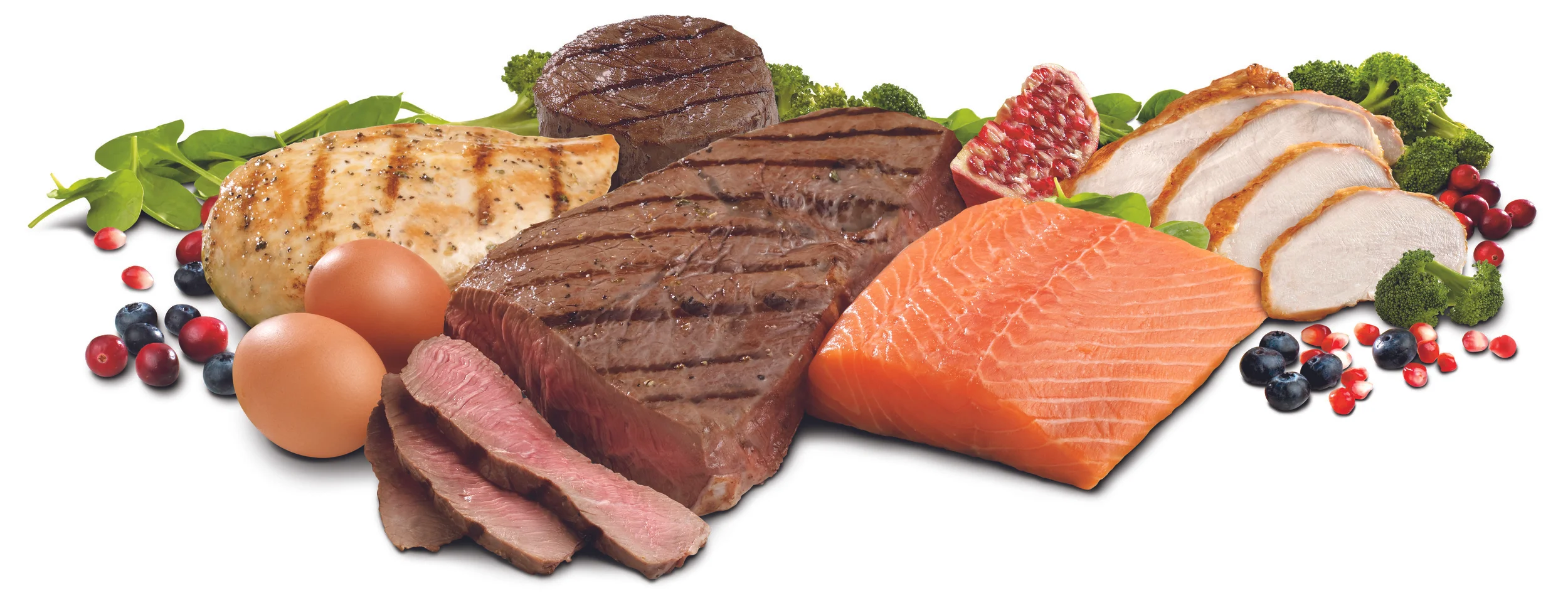

Diet and sleep are also important factors in muscle growth. You need an additional 250 to 500 calories per day to fuel muscle growth. A protein intake higher than average also gives your muscles adequate amino acids to assist with repair. Aim for between 0.55 and 0.7 grams per pound of body weight daily. You'll need seven to nine hours of sleep, which is when your body releases human growth hormone for muscle growth.
Start Slow
Start slow and make changes to your eating habits over time. Trying to make your diet healthy overnight isn’t realistic or smart. Changing everything at once usually leads to cheating or giving up on your new eating plan. Make small steps, like adding a salad (full of different color vegetables) to your diet once a day or switching from butter to olive oil when cooking. As your small changes become habit, you can continue to add more healthy choices to your diet.
Kale
As vegetables go, leafy greens—especially the dark-green kind—tend to top health experts' lists. And, along with spinach, kale is at the top of the dark-and-leafy-green heap. Bursting with vitamins A, K, and C, kale is also a great source of calcium, iron, magnesium, and potassium. Whether you toss it into soups, smoothies, or salads, gobble as much of this stuff as you can every day.
Why Get A Trainer
Accurate evaluation: Personal trainers evaluate your fitness goals to design a progressive program that will get you where you want to go. This starts with a thorough evaluation of your current fitness level that can be duplicated in the months that follow. Your trainer will make sure you know just how much you’ve improved.
Use The Right Weight & Technique.
When you use a weight that's too heavy for your target muscles, your body automatically calls other muscles into to play. The mere fact that you can lift a weight, doesn't mean that you can do the exercise correctly. You need to chose a weight that ensures you target the intended muscles for lifting the weight.