Grains, Carbs & Weight Loss

  • Bread
  • Potatoes
  • Rice
  • Pasta
  • Oatmeal
  • Quinoa 

Those are examples of grains, also known as Carbs. Any meal or snack high in carbohydrates generates a rapid rise in blood glucose. To adjust for this rise, the pancreas secretes the hormone insulin into the bloodstream, which lowers the glucose. Insulin is, though, essentially a storage hormone, evolved over those millions of years of humans prior to the agricultural age, to store the excess calories from carbohydrates in the form of fat in case of famine.

Insulin, stimulated by the excess carbohydrates in our overabundant consumption of grains, starches and sweets, is responsible for all those bulging stomachs and fat rolls in thighs and chins.

Even worse, high insulin levels suppress two other important hormones -- glucagons and growth hormones -- that are responsible for burning fat and sugar and promoting muscle development, respectively. So insulin from excess carbohydrates promotes fat, and then wards off the body's ability to lose that fat.

Liver & Fat Loss

If the liver does not regulate fat metabolism efficiently, weight gain tends to occur around the abdominal area and a protuberant abdomen (pot belly) will develop. This is not good for the waistline! Another sign can be a roll of fat around the upper abdomen, which I affectionately call the “liver roll.” This is often a sign of a fatty liver. It can be almost impossible to lose this abdominal fat until the liver function is improved. Once this is done the liver will start burning fat efficiently again and the weight comes off gradually and without too much effort from you.

Many middle-aged people with excess fat in the abdominal area have a “fatty liver”. In this condition the liver has stopped burning fat and has turned into a fat storing organ. It becomes enlarged and swollen with greasy deposits of fatty tissue. Those with a fatty liver will not be able to lose weight unless they first improve liver function, with a Liver Cleansing Diet and a good liver tonic. If you have a fatty liver it is vital to be patient, as it can take between 3 and 12 months, depending upon the amount of fat deposited in the liver, to remove the excess fat from the liver. After this accumulated liver fat has been removed, weight loss will occur easily.

If you have a very severe case of fatty liver it can take several years to lose all of the excessive weight. However, this is very successful in the long term and provides the best chance of restoring your figure and your health.

Burn The Fat

Milk thistle helps with general liver problems including jaundice (which is when the skin becomes discolored/yellow), hepatic pain, and swelling. Based on the novel “The One Earth Herbal Sourcebook,” flavonoids discovered in milk thistle seed add to the significant liver regenerating and protecting qualities found in other parts of milk thistle. 

"Fat Release" contains Milk Thistle, and can be found on your supplement recommender. 


Supplements click HERE

Weight Gain

Protein

Consuming 94 to 125 grams of protein per day for a 2,500-calorie diet, and 131 to 175 grams of protein each day for a 3,500-calorie, weight-gain diet. 

Carbohydrate

Carbohydrates make up the largest percentage of your diet, especially if you exercise regularly. The Institute of Medicine recommends adults consume a minimum of 130 grams of carbohydrates each day, and 45 to 65 percent of their daily energy intake from carbohydrates. This means you need 281 to 406 grams of carbohydrates per day when consuming a 2,500-calorie diet, and 394 to 569 grams of carbs each day when eating a 3,500-calorie, weight-gain meal plan. When you regularly participate in resistance-training workouts, you need at least 2.3 to 3.6 grams of carbohydrates per pound of body weight each day. Healthy, high-carb foods include whole grains, fruits, potatoes, peas, corn, legumes, milk and yogurt.


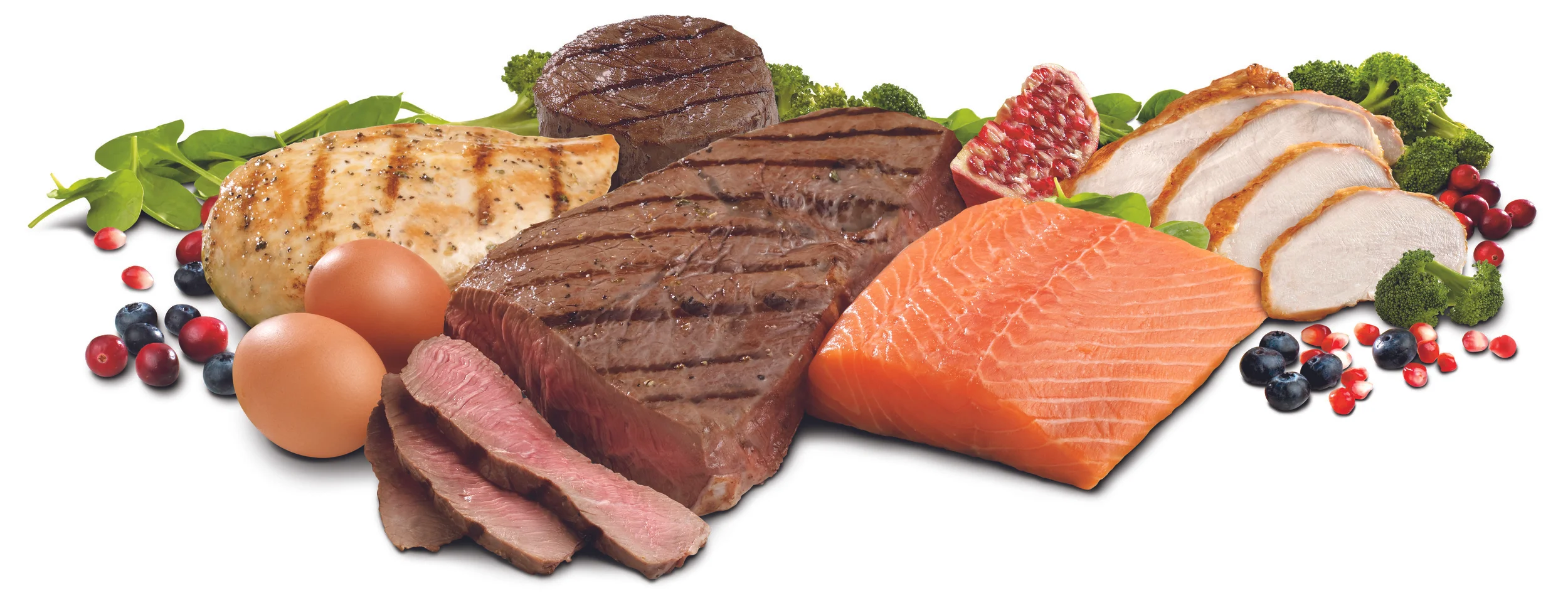
How Much Protein Is In My Meat/Fish?

Salmon

Most types of salmon has around 29 grams of protein per 4 ounce grilled fillet. Atlantic salmon fits into this range. If you prefer farm-raised salmon, however, you won’t get quite as much protein. For example, farm-raised Atlantic salmon has fewer than 22 grams of protein in a 4 ounce cooked piece, but you’ll get more than 24.5 grams from the same amount of the wild variety.


Steak

A 4 ounce portion of beef sirloin steak with the fat trimmed off contains about 34 grams of protein.


Chicken

A 4 ounces of grilled chicken contain about 36 grams of protein. 


Since chicken, beef and fish are an animal/poultry protein, they contain all of the essential amino acids you require on a daily basis to build proteins within your body.